THE SCRAP METAL PRESS
Expert insights, tips, and industry news from Maryland Recycling. Learn how to maximize the value of your scrap metal and stay informed about the recycling industry.
By Valeria Barraza
•
May 25, 2026
Learn how to sell scrap metal in Maryland, what materials scrap yards accept, how scrap metal prices work, and how metal recycling services help you get paid.
By Valeria Barraza
•
May 25, 2026
Metal recycling is the process of collecting, sorting, processing, and reusing scrap metal so it can be turned into new products instead of being sent to a landfill. In Maryland, scrap metal recycling helps homeowners, contractors, businesses, and industrial facilities manage unwanted metal materials in a more responsible and valuable way. From old appliances and aluminum siding to copper wire, steel, brass, and construction scrap, working with a reliable scrap yard in Maryland makes the recycling process easier, cleaner, and more efficient. Call Maryland Recycling today or request service information to learn how our metal recycling services can help you recycle scrap metal properly. How Metal Recycling Works The recycling process is designed to recover valuable metals, separate materials by type, and prepare them for reuse in manufacturing. A professional scrap yard in Maryland follows organized steps to keep the process safe, efficient, and accurate. 1. Scrap Metal Collection The process begins when scrap metal is collected from homes, businesses, job sites, warehouses, or industrial facilities. Some customers bring materials directly to the scrap yard, while larger commercial or contractor projects may require coordinated recycling services. Common sources of scrap metal include: · Construction and demolition sites · Home cleanouts and renovations · Manufacturing facilities · Auto repair shops · Plumbing and electrical projects · Commercial properties · Appliance removal projects 2. Sorting by Metal Type Once the material arrives, it is sorted by type. This step matters because different metals have different recycling values and processing requirements. Metals are typically separated into categories such as: · Ferrous metals, such as steel and iron · Non-ferrous metals, such as copper, aluminum, brass, and stainless steel · Mixed metal materials · Insulated wire · Appliances and equipment · Automotive or machinery scrap Sorting helps improve accuracy, safety, and recycling efficiency. 3. Processing and Preparation After sorting, scrap metal may be cleaned, cut, compacted, stripped, or prepared for further recycling. The goal is to make the material easier to transport and reuse. This part of the recycling process may include: · Removing non-metal materials · Separating mixed components · Cutting larger pieces down · Compacting materials · Preparing metal for shipment · Organizing metals by grade and type 4. Reuse in New Products Once processed, recyclable metal can be sent to mills, manufacturers, or recycling facilities where it is melted, refined, and reused. This gives old metal a new life in construction materials, machinery, vehicles, appliances, packaging, tools, and other products.
By chris darr
•
April 23, 2026
Learn how aluminum recycling works in Maryland, what affects value, and how to prepare your scrap for the best return.
By William Randazzo
•
April 20, 2026
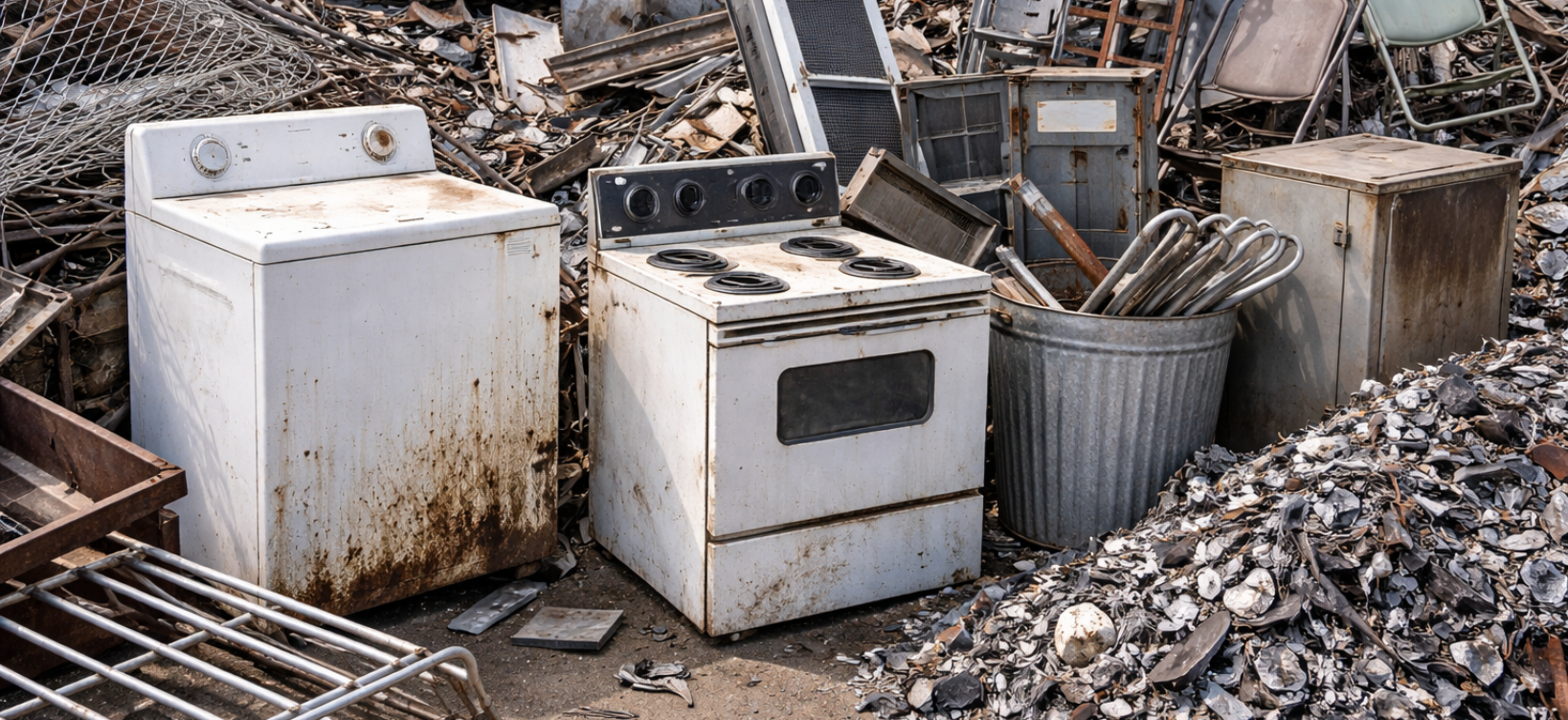
Learn how to recycle old appliances in Maryland and turn them into value with simple, efficient scrap metal recycling options.
By William Randazzo
•
April 16, 2026
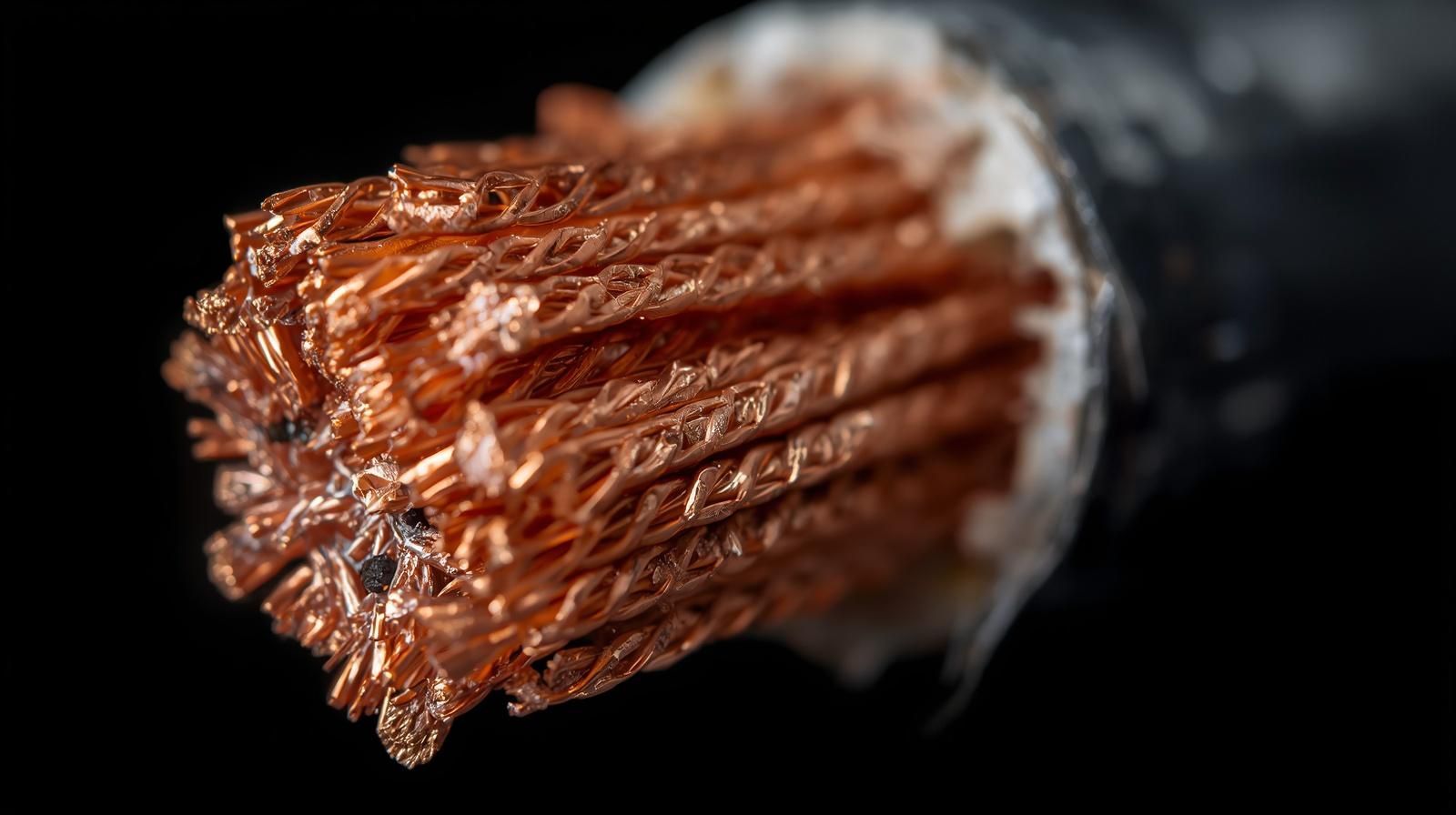
Learn what copper is worth in Maryland and how to prepare it for recycling to get the best value for your scrap.

By Maryland Recycle
•
April 7, 2026
Find out which scrap metals are worth the most in Maryland, including copper, aluminum, and steel, and how to maximize your payout.